Virtual Materials - Real Insights
PARTICLE-BASED CFD SOFTWARE FOR MOST RAPID PROTOTYPING
Enable innovation faster. Learn more about particle-based CFD simulations with PreonLab.
Explore our CFD Simulation Software
Minimize the time from question to answer! Solve your hydrodynamic problems already in the design stage with our fluid simulation software PreonLab and the revolutionary PREON® technology. Whether novice or CFD expert – our easy-to-use interface is intuitive for everyone.
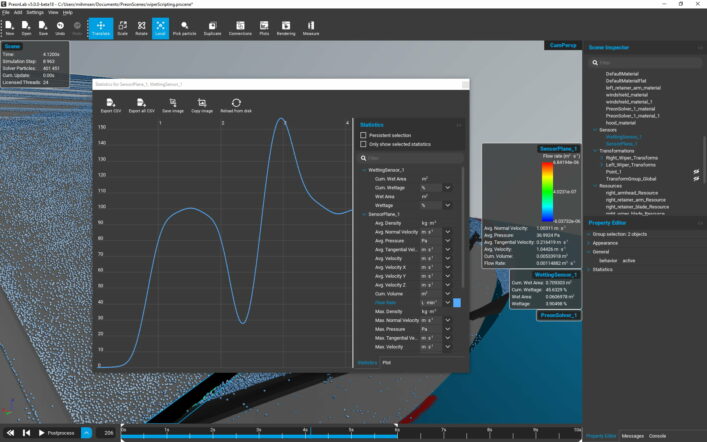
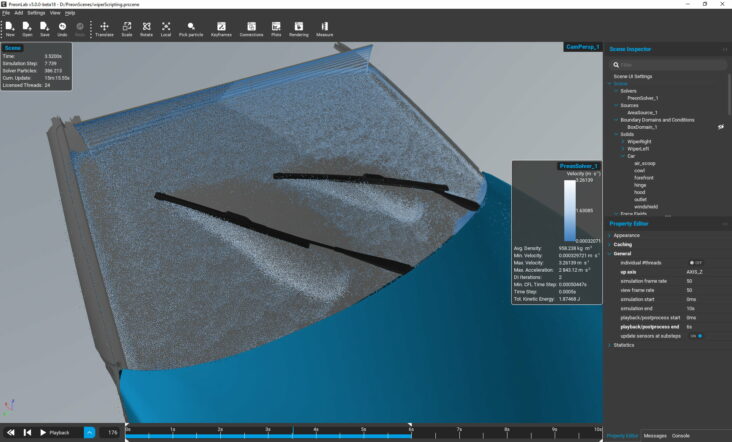
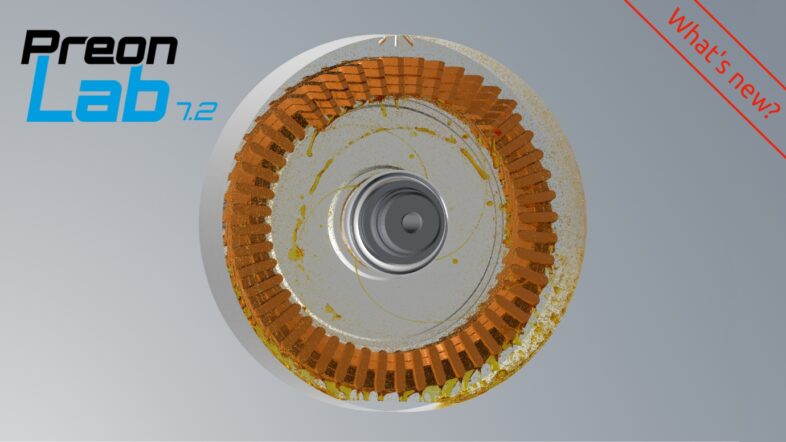
PreonLab 7.2 is all about getting more out of every simulation, with faster setups, more efficient thermal workflows, and a smoother everyday user experience.
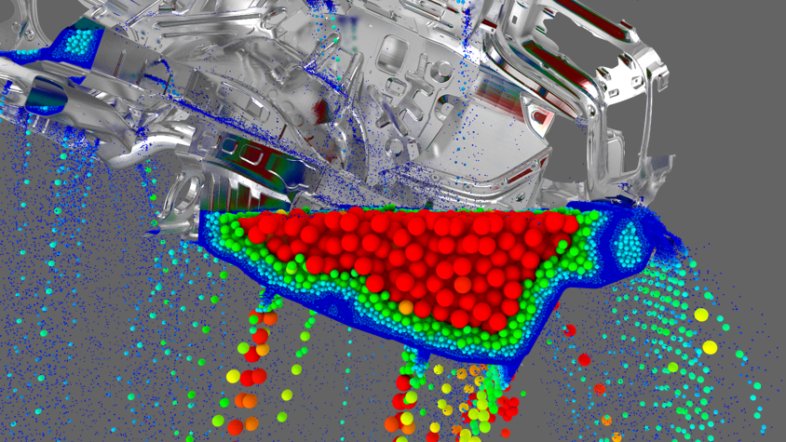
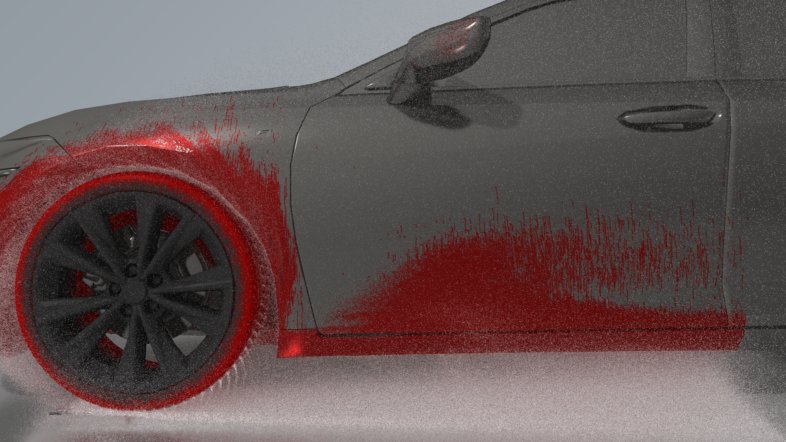
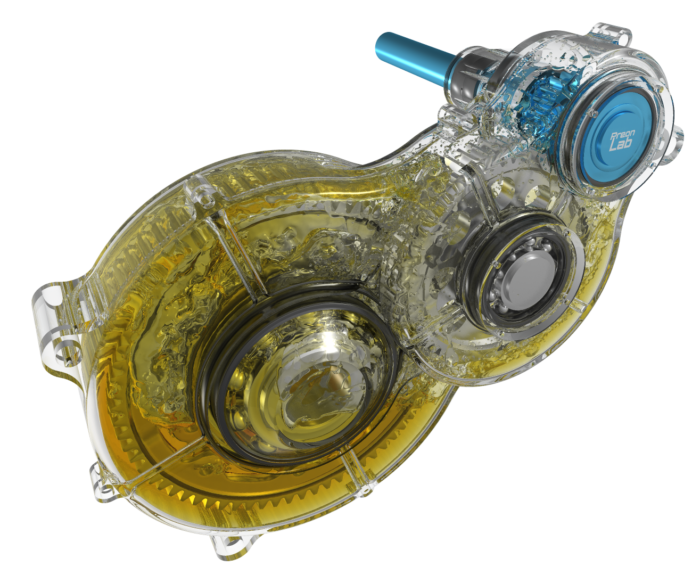
Highlights of this release include SetupProfiles, which store predefined simulation settings and share them across teams, and ScriptRecording, which turns GUI actions into reusable PreonPy code. On the thermal side, StaggeredCHT makes steady-state thermal simulations up to 8x faster. The release also brings a wide range of workflow enhancements, many of them requested directly by our users, as well as targeted improvements for transmission, soiling, and rigid body simulations. The result is less time spent on setup and more time for engineering and understanding results.
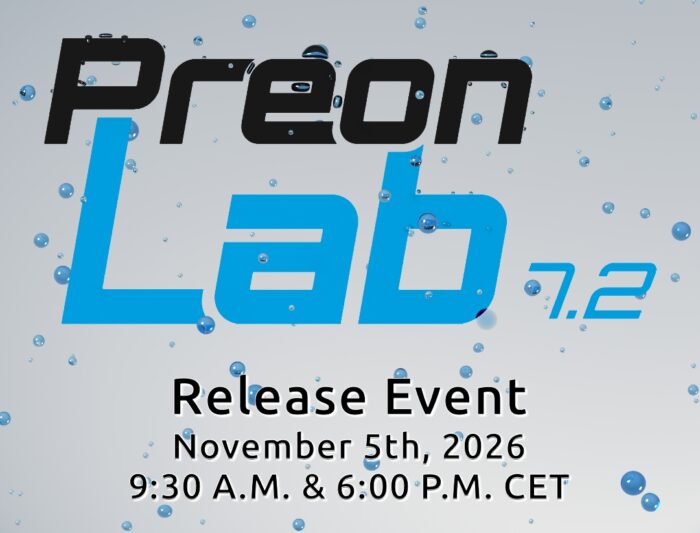
Join our release event to see the new features live and discover how they can speed up your daily simulation work!
We’re excited to introduce PreonLab 7.2!
Where previous releases focused on adding new physics capabilities, PreonLab 7.2 is about getting the most out of them. This release brings a broad set of workflow improvements that make working in PreonLab faster and more intuitive. It also makes steady-state thermal simulations considerably more efficient and delivers targeted improvements for transmission, soiling, and rigid body workflows. The result: less time spent on setup and more time for understanding the results.



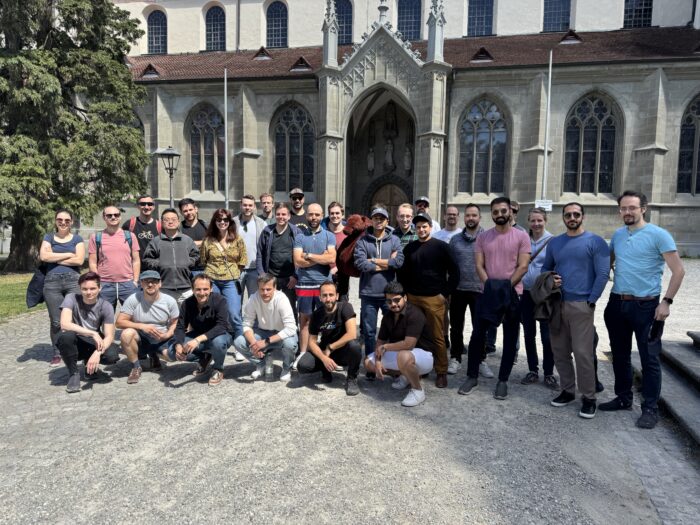
Learn more about the computer scientists, particle-based experts, techno-mathematicians and CFD engineers that make our customers’ motor run smoother.